04 February 2026
What February Reveals About School Culture

Published by support@nuimage.co.uk
By February, I often notice a subtle shift in schools. The adrenaline of January has faded, routines are back in place, and yet something feels heavier. Not louder. Not more dramatic. Just mentally harder.
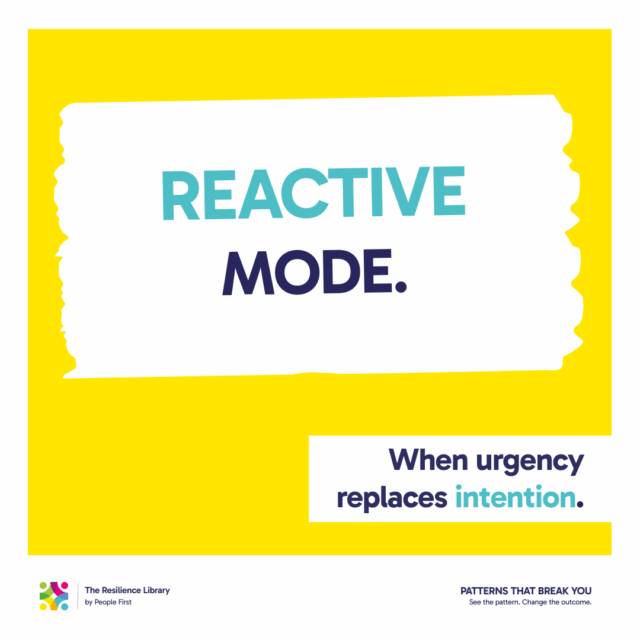
What I see repeatedly, in conversations with leaders and staff, is not a lack of commitment or capability. It’s a lack of clarity. By this point in the term, educators are holding too much at once. Competing priorities, overlapping initiatives, unresolved decisions, constant information flow. None of it feels catastrophic on its own, but together it creates a sense of mental scatter that quietly erodes wellbeing.
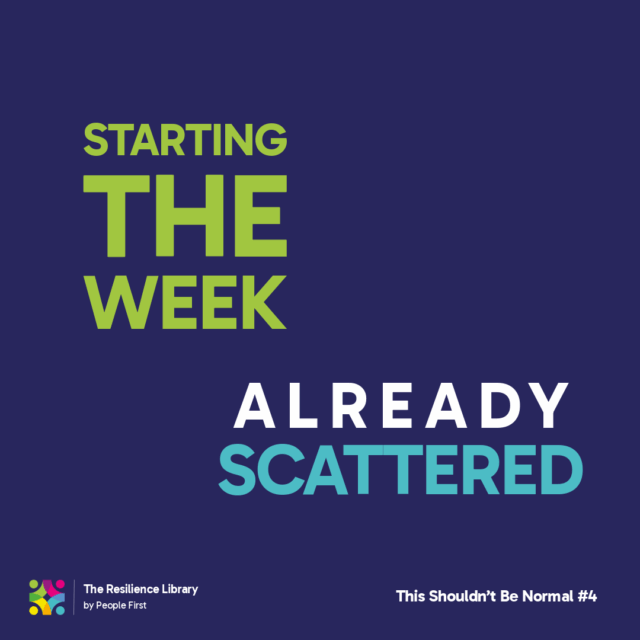
Starting the week already feeling scattered has become normal in education. But it shouldn’t be.
When clarity drops, energy drains faster. People feel tired not because they are doing more, but because they are thinking harder just to stay afloat. Decision-making slows. Patience thins. Small tasks feel disproportionately heavy.
From a leadership perspective, this matters deeply. Because clarity is not just an individual wellbeing issue. It is a cultural one. Schools that protect clarity tend to feel calmer, even under pressure. Expectations are clearer. Priorities are named. Thinking space is valued. In contrast, cultures that allow constant mental fragmentation often see rising stress without understanding why.
February offers an opportunity. Not to push harder, but to notice what is creating chaos in the thinking and to begin reducing the noise.
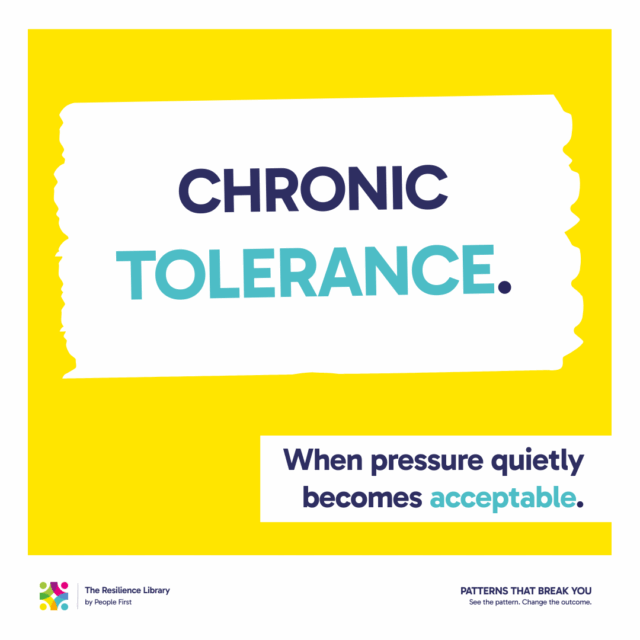
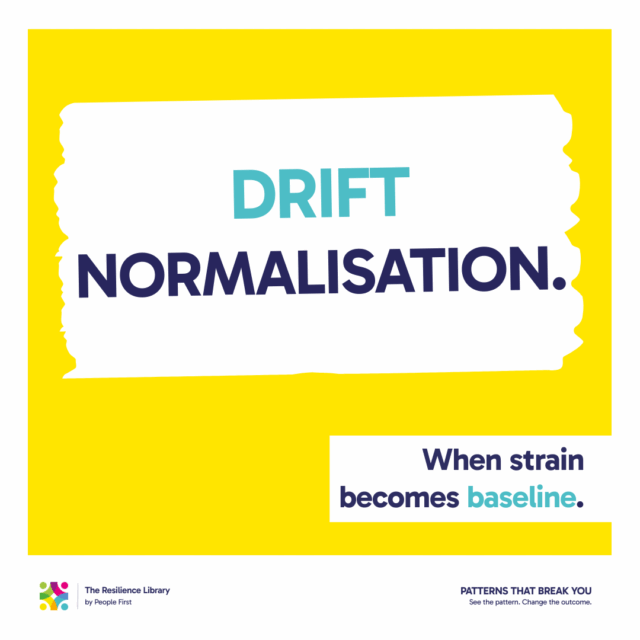
Clarity doesn’t require sweeping change. It starts with noticing what we normalise and gently choosing differently.
Inside The Resilience Library, I support leaders and staff to rebuild clarity one small step at a time, in ways that strengthen both personal wellbeing and school culture.