04 November 2025
The Weekly Priority Planner


Published by Amanda Anderson
For school leaders, no two weeks are ever the same. Priorities shift quickly — from urgent safeguarding matters to strategic planning, from supporting staff wellbeing to managing parent communication. Amid all this, it’s easy to lose sight of what truly matters most.
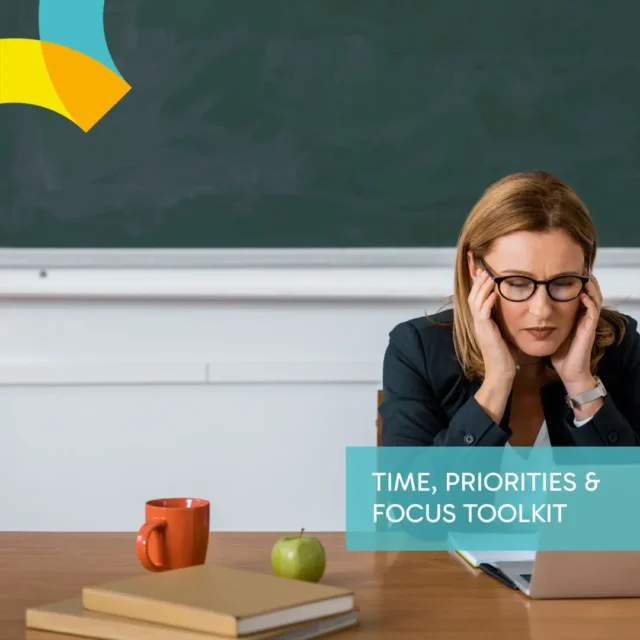
That’s why we created the Weekly Priority Planner – Top 3 Method as part of our Time, Priorities & Focus Toolkit for School Leaders. It’s a simple structure that helps leaders move beyond to-do lists and focus instead on meaningful progress.
Understanding the Weekly Priority Planner
The Top 3 Method helps you identify the three most important outcomes for your week. These aren’t the only things you’ll do, but they are the ones that will make the greatest difference to your leadership and your school.
The planner separates your week into three clear areas:
- Top 3 Priorities – The high-impact outcomes that matter most
- Must Do – The essential day-to-day operational tasks
- Nice to Do – The tasks that add value but can wait if needed
It’s about shifting focus from managing volume to managing value — ensuring that the time you spend aligns with your goals and wellbeing.
A School Leader’s Story: Turning Busy into Productive
When I was deputy headteacher, my weeks often began with a long to-do list that felt impossible to complete. Every task seemed equally important, and by Friday I was left frustrated that strategic work had once again been pushed aside.
One term, I trialled the Weekly Priority Planner with my senior team. Each Monday morning, we each identified our top three priorities for the week. Mine included things like completing middle leader reviews, finalising curriculum planning, or scheduling wellbeing check-ins.
We shared our “Top 3” at the start of our leadership briefing and revisited them on Friday. It quickly became one of the most effective habits we introduced. Conversations shifted from how busy we were to what we’d achieved.
The simple act of narrowing focus reduced overwhelm and created a greater sense of accomplishment. By Friday afternoon, we all had something tangible to celebrate — not just another list of unfinished tasks.
Common Pitfalls to Watch Out For
Even simple systems can slip if we’re not mindful. Here are a few pitfalls to avoid:
- Choosing too many priorities – Three is intentional. Once you add more, focus is lost.
- Picking vague goals – Be specific about what success looks like. For example, “Meet with new staff to discuss marking policy” is clearer than “Improve consistency.”
- Neglecting reflection – The power of this method lies in the Friday review. Take ten minutes to notice what went well and what needs adjusting.
Consistency turns this from a tool into a leadership habit.
Lessons from My Leadership Journey
When I introduced this tool across my leadership team, one colleague said, “It’s the first time I’ve finished a week feeling that what I did actually mattered.” That comment stayed with me. It reminded me how easily school leaders can slip into feeling reactive — busy but not fulfilled.
The Top 3 Method gave us all permission to focus and to stop measuring success by the length of our to-do lists. It’s a small change that reshapes the way we approach leadership.
Putting It into Practice in Your School
- Start on Monday – Take ten quiet minutes to identify your Top 3 priorities.
- Share them – Discuss them with your line manager or leadership team to encourage accountability.
- Reflect on Friday – Celebrate progress, however small.
- Encourage others – Try this approach with middle leaders to help them gain clarity and balance.
When used collectively, this method strengthens shared focus across your school and helps create a calmer, more purposeful working culture.
Why Partner with People First
At People First, we understand that clarity is the foundation of effective leadership. Our Time, Priorities & Focus Toolkit for School Leaders combines practical tools with wellbeing coaching to help schools build sustainable habits of focus, reflection, and balance.
When schools partner with us, they gain access to:
- Leadership coaching designed to enhance focus and confidence
- Practical tools to embed prioritisation across teams
- Support in building a school culture that values clarity over busyness
From Lists to Leadership
Effective leadership isn’t about doing everything — it’s about doing the right things well. The Weekly Priority Planner helps leaders make that shift, turning busy weeks into purposeful ones.
Stay tuned for our next blog, where we explore The Time–Energy Matrix, a practical way to align your work with your natural energy levels to improve performance and wellbeing.
If your school would like to explore how our Work and Wellbeing Coaching Programmes can help your leadership team work with greater focus and purpose, get in touch with People First. Together, we can help your staff thrive, not just survive.