
25 November 2025
The Boundary and Reflection Planner

Published by Amanda Anderson
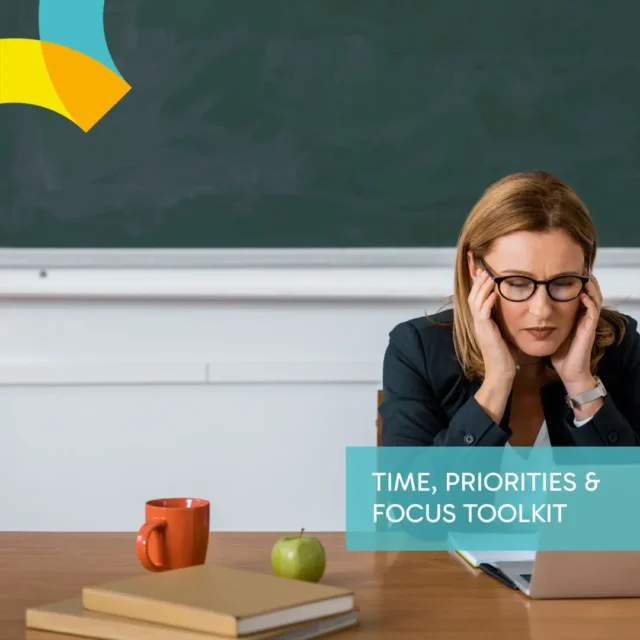
For many school leaders, time to think feels like a luxury. The day-to-day reality of leadership often means moving from one issue to the next — emails, meetings, corridor conversations — with little space left for reflection or recovery.
Yet, it’s often in the quiet moments that clarity, creativity, and good decision-making emerge. The Boundary and Reflection Planner, part of our Time, Priorities & Focus Toolkit for School Leaders, helps leaders reclaim those moments by creating intentional structure around thinking time, recovery, and boundaries.
Understanding the Boundary and Reflection Planner
This tool is designed to help leaders plan when and how to protect time — not just for work, but for themselves. It encourages you to identify Boundary Blocks (periods of protected focus), Reflection Windows (time to pause and think), Recovery Time (moments to recharge), and Realignment Checks (opportunities to review and reset).
It’s a simple concept with a powerful message: reflection isn’t wasted time — it’s productive space.
Boundaries are not barriers; they’re the frameworks that keep leaders effective, grounded, and well.
A School Leader’s Story: Finding Space to Lead, Not Just Manage
When I was a deputy headteacher, my diary was relentless. Every minute was filled — often with things that seemed urgent but not necessarily important. I’d tell myself I’d reflect “when I had time,” but that time never came.
After a particularly exhausting half-term, I decided to use the Boundary and Reflection Planner. I started by blocking out just two non-negotiable “thinking sessions” a week — short, quiet periods on Tuesday mornings and Friday afternoons.
During those sessions, I reviewed what was working, what wasn’t, and where I could improve systems or support staff better. Over time, those sessions became the most valuable part of my week. I was calmer, more strategic, and less reactive.
By modelling that practice to my team, others began protecting time for reflection too. The ripple effect was powerful — staff started taking short pauses, holding reflective meetings, and setting boundaries without guilt.
Common Pitfalls to Watch Out For
- Feeling guilty about reflection – Many leaders equate being still with being unproductive. In reality, reflection increases effectiveness.
- Overcommitting to boundaries – Start small. Protect one or two meaningful spaces in your week and build gradually.
- Not communicating boundaries – Be transparent. Let others know when you’re unavailable so boundaries are respected and modelled.
Sustainable leadership isn’t about doing more — it’s about creating rhythms that allow you to sustain your best work over time.
Lessons from My Leadership Journey
Introducing reflection into my leadership routine taught me something vital: calm is contagious. When leaders take time to think clearly, it steadies the entire organisation. Staff feel more confident, communication improves, and decisions become more intentional.
Boundaries aren’t selfish — they’re a form of leadership discipline. They show others that wellbeing matters and that thoughtful leadership isn’t rushed.
Putting It into Practice in Your School
- Start with one protected block – Identify a time each week that is non-negotiable for focused work or reflection.
- Schedule reflection windows – Ten quiet minutes at the end of each day can help consolidate learning and prepare for tomorrow.
- Share your approach – Encourage your team to block out time for deep work or recovery too.
- Use realignment checks – Each half-term, reflect on whether your boundaries are still working for you.
Small, consistent habits build sustainable leadership practice — and over time, they influence your school’s wider culture.
Why Partner with People First
At People First, we believe reflection and recovery are at the heart of effective leadership. Our Time, Priorities & Focus Toolkit helps leaders embed these habits into their routines, while our Work and Wellbeing Coaching Programmes provide personalised support to sustain them.
When schools partner with us, they gain access to:
- Coaching that helps leaders protect time and energy
- Practical tools for balancing focus, reflection, and wellbeing
- Guidance to embed reflective culture across leadership teams
Leadership That Lasts
The Boundary and Reflection Planner reminds us that leadership is a marathon, not a sprint. Taking time to pause doesn’t slow progress — it strengthens it.
By creating intentional boundaries and space for reflection, leaders can make better decisions, protect their wellbeing, and model a culture of calm, confident leadership for their teams.
Stay tuned for our next blog, where we’ll explore The Meeting Purpose Filter — a tool that helps leaders run more effective, outcome-driven meetings that respect everyone’s time.
If your school would like to explore how People First can help your leadership team build sustainable habits for wellbeing and focus, get in touch. Together, we can help you create a calmer, more purposeful school culture.