11 February 2026
When Urgency Becomes the Culture, Clarity Is the First Casualty

Published by Amanda Anderson
Urgency is one of the most socially reinforced behaviours in schools.
Respond quickly. Decide fast. Keep moving.
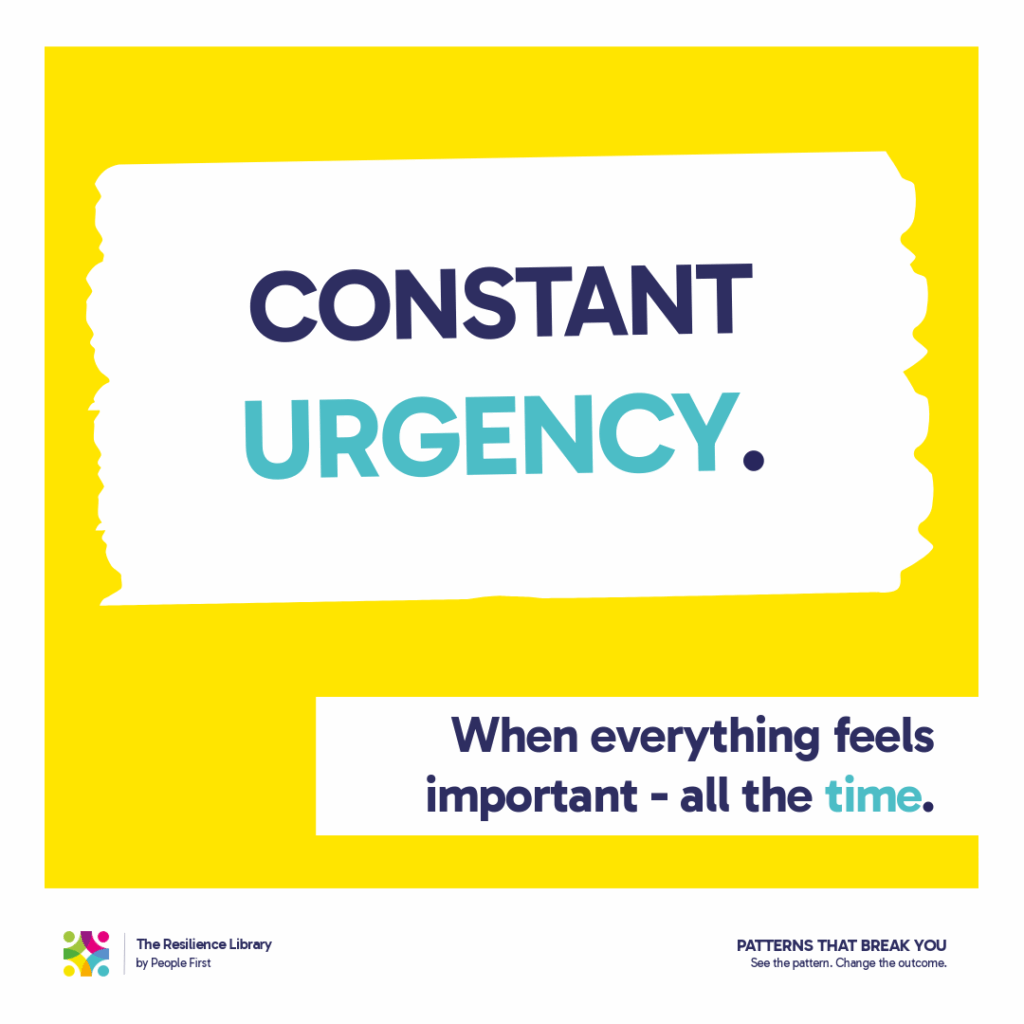
By February, many educators are operating almost entirely in reaction mode. Everything feels important. Everything feels time-sensitive. And because the work is meaningful, it becomes hard to question that pace.
In my work with schools, I see constant urgency as one of the most corrosive patterns affecting staff wellbeing. It creates motion, but not direction. Activity, but not clarity.
When urgency dominates a culture, thinking space disappears. Reflection is squeezed out. Decisions are made quickly but without depth. Conversations become transactional rather than thoughtful. People stay busy, yet feel oddly ineffective.
From a leadership perspective, this matters deeply. Urgency doesn’t just shape workload. It shapes how safe it feels to pause, to think, and to question priorities. Over time, a culture of urgency trains people to react rather than reflect.
What concerns me most is how often urgency becomes mistaken for professionalism. Pausing starts to feel like weakness. Thoughtfulness feels indulgent. Speed becomes the measure of commitment.
But clarity is not created through speed. Clarity is created through space.
Interrupting urgency, even briefly, is an act of care. Slowing one decision. Letting one thing wait. Creating one protected moment for thinking. These small leadership choices shift the emotional temperature of a school.
When leaders model this, staff wellbeing improves because decision-making becomes calmer, expectations clearer, and emotional load lighter.
Urgency creates motion. Clarity creates direction.
Inside The Resilience Library, I support leaders and staff to rebuild clarity one small step at a time, in ways that strengthen both personal wellbeing and school culture.